Conveyor belts in the mining and construction industries; the backbone of industrial transportation
Table of Contents
Introduction
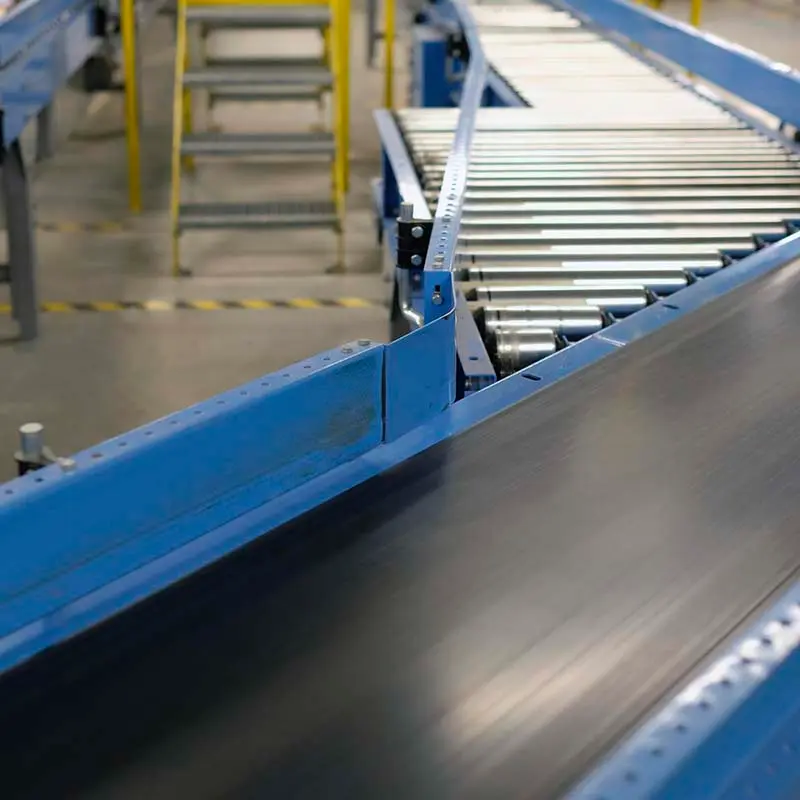
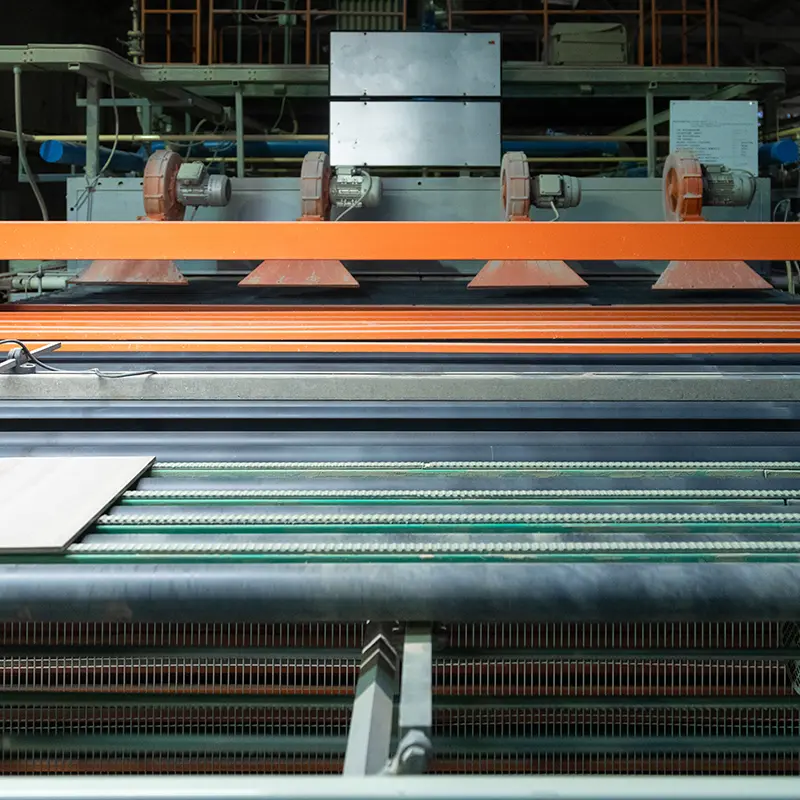
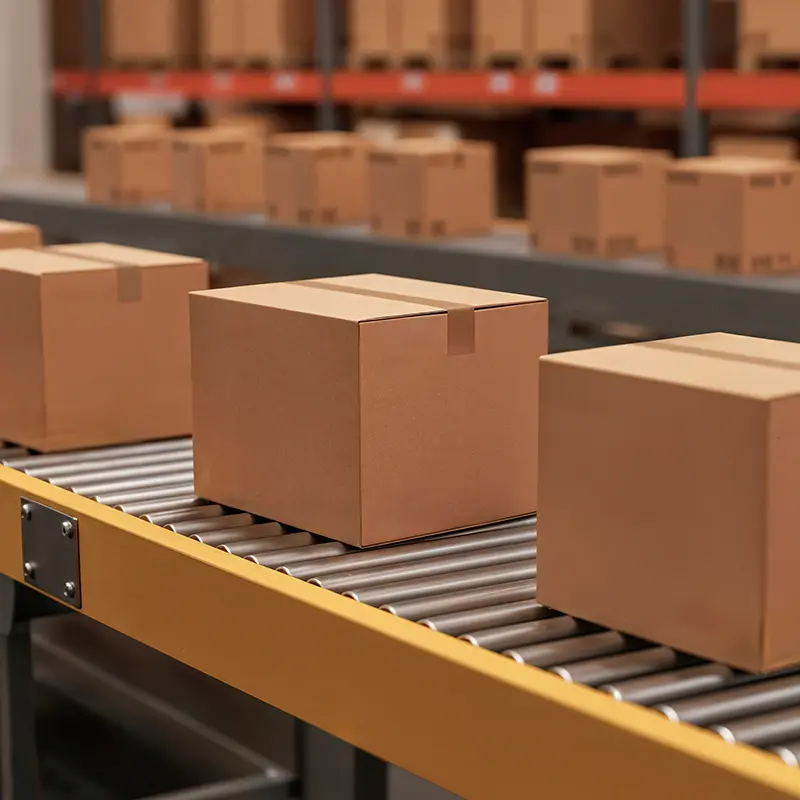
In today’s world, the mining and construction industries are almost unthinkable without the use of conveyor belts. These continuous transportation systems play a key role in the transportation of raw materials, building materials, rocks, sand, cement, and even construction waste. Conveyor belts reduce time, cost, and manpower, and increase productivity in harsh working environments.
The Role of Conveyor Belts in Mining
In mining, conveyor belts are one of the safest and most effective methods of transporting loads. Its most important applications include the following:
Transferring mined rocks from the tunnel to the surface
Transporting iron ore or coal to crushing plants
Continuous feeding of mineral processing lines
Transporting materials between different extraction stations
Benefits of use in mines
Reducing the use of trucks and expensive transportation equipment
More safety for employees in hazardous environments
Higher speed in transporting materials
Reducing noise and environmental pollution
Suitable for sloping or restricted access locations
Types of conveyor belts in the mining industry
Fixed conveyor belt
For permanent production and extraction lines
Portable conveyor
Suitable for temporary projects or mobile transportation
Inclined or angled conveyor belt
Suitable for transporting up or down mines
Conveyor with metal or armored belt
High load capacity and high wear resistance
Conveyor belt in construction projects
In construction and construction projects, Conveyor belts are used to transport materials such as:
Cement and concrete
Sand, gravel, bricks
Construction waste
Blocks and heavy parts
. This leads to a reduction in human costs and an increase in the speed of project implementation.
Features required in the construction of construction conveyor belts
Moisture, dirt and weather resistant body
Quick washing and cleaning ability
High weight bearing capacity
Easy and quick installation in projects
Variable speed control to prevent material accumulation
A practical example from a real project
In a bridge construction project in northern Iran, the use of a moving conveyor belt to transport sand and concrete to high points saved 20% in time and 30% in manpower costs. This also increased workplace safety compared to the use of heavy cranes.
Common Problems in Mines and Conveyor Solutions
Problem Solution
Dangers of Manual Handling of Loads Installing a Smart Conveyor with Safety Sensor
Space Restrictions in Tunnels Using a Narrow and Flexible Conveyor
Material Spillage on the Way of Installing Guards and Collection Hoppers
Slow Production Design of a Multi-Stage Conveyor System with Central Control
Economic Analysis
The initial cost of installing a conveyor may be high, but:
Return on investment is seen within 6 to 12 months from reduced manpower and increased speed.
Reducing fuel consumption of transportation machinery and repair costs
Recyclability and multiple use in subsequent projects
Implementation challenges in mining and construction
Need for precise design according to the terrain and slope
Resistance to corrosion caused by moisture and acidic materials
Power supply and control over long distances (in open pit or tunnel mines)
Coordination with other equipment such as excavators and rock crushers
The future of conveyor belts in these industries
Full automation with PLC control and Internet of Things (IoT)
Smart belts with overload detection and alarm capabilities
Self-cleaning belts
Recovering energy from conveyor movement to power the system
Summary
Conveyor belts have revolutionized the mining and construction industries as a powerful solution. This device not only increases speed and safety, but also significantly reduces costs. With proper design and proper maintenance, this tool can be optimally utilized in large and challenging projects.