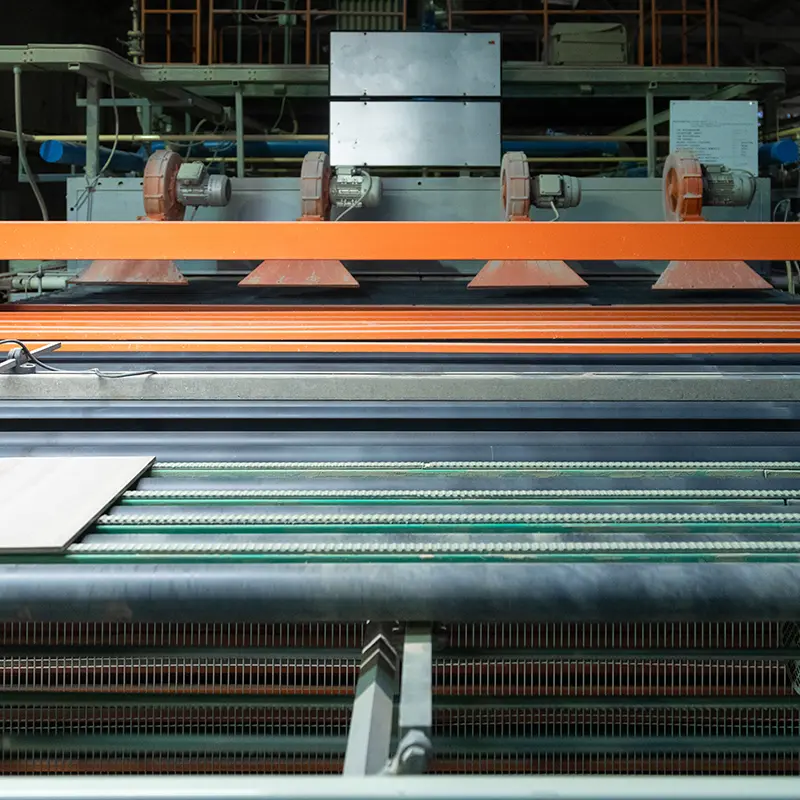
A comprehensive guide to conveyor belt maintenance and repair; ensuring durability and continuous performance
Table of Contents
Introduction
Conveyor belts are one of the most critical pieces of equipment in industrial production, warehousing, and transportation lines. Despite their apparent simplicity, this device can lead to production disruptions, line downtime, increased costs, and even safety hazards if not properly maintained. In this article, we will discuss in detail the basic methods of conveyor belt maintenance, troubleshooting, and repair.
Why is conveyor belt maintenance important?
Increase the useful life of the device
Reduce the costs of sudden repairs
Prevent production line downtime
Maintain personnel safety
Reduce wear and tear on belts and mechanical parts
Types of conveyor belt maintenance
1. Preventive Maintenance
Includes periodic inspections and services as scheduled to prevent breakdowns.
2. Corrective Maintenance
Taking necessary measures after observing a problem or breakdown.
3. Predictive Maintenance
Using measurement and data analysis tools to predict when problems will occur.
What should a regular maintenance schedule look like?
Action interval
Daily visual inspection of the belt, shafts, noise, contamination
Weekly belt adjustment, tension check, thorough cleaning
Monthly check lubrication of bearings, check belts for wear
Quarterly complete test of electric motor, belts, sensors, control electronics
Check key components and repair needs
Conveyor belt
Excessive wear? → Replace belt
Deviation from the path? → Adjust guide rollers
Tear or crack? → Replace quickly to prevent further damage
Rollers
Abnormal noises? → Possible dry bearing
Seizing or locking? → Lubricate or completely replace
Engine and gearbox
Excessive vibration? → Check the bearings or shaft imbalance
Heating? → Check lubrication, current or overload
Frame or body
Rotting or rust? → Paint or replace parts
Looseness in the structure? → Tighten or re-weld
Essential tools for conveyor belt maintenance
Precision wrench and screwdriver
Special grease and oil
Infrared thermometer
Thermal camera to detect hot spots
Belt tension meter
Warning signs that require immediate repair
Unusual and abnormal noise
Severe vibration of the device
Smoke or burning smell
Sudden decrease in transmission speed
Belt deviation from the standard path
Reduced tension and friction between the belt and rollers
Safety tips during maintenance and repair
Turn off the power completely before starting repairs
Use safety equipment such as gloves, glasses, safety shoes
Lock the electrical panel to prevent sudden power-on
Mark the repair site to warn other people
Use specialized and trained personnel
Weekly checklist for checking the condition of the conveyor
Item Condition requiring action
The belt is not corroded /
Bearings are silent /
The belt is not deflected /
The frame is sound and vibration-free /
Lubrication has been performed /
Conclusion
Conveyor belt maintenance and repair not only prevents sudden failures but also ensures the life of the device and the safety of the system. Using a preventive maintenance program, regular inspections, and immediate attention to signs of failure can reduce costs and increase system productivity.